
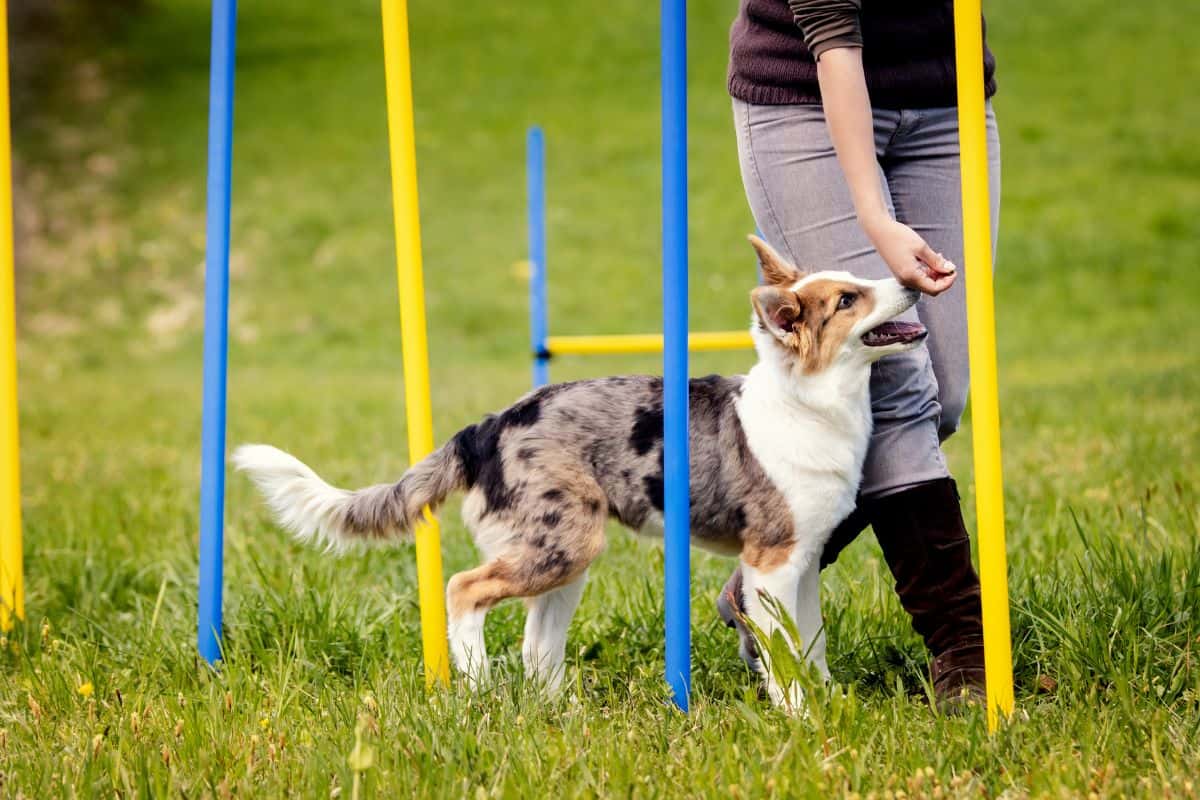
In the demanding environments of law enforcement, service work, protection, and advanced obedience, working dog training Arizona requires far more than basic commands. It calls for structured conditioning, clear communication, and a deep understanding of canine behavior. At Rob’s Dog Training, we approach working dogs with a purpose-driven mindset developing reliability, control, and confidence in every situation.
Arizona’s unique climate, terrain, and urban-rural mix make it an ideal yet challenging place to train high-performance dogs. Whether you’re developing a personal protection dog, a service companion, or a competition-ready canine, proper training is the difference between inconsistency and excellence.
- What Defines a Working Dog?
- Why Working Dog Training in Arizona Requires Expertise
- Core Principles of Effective Working Dog Training
- Key Components of Working Dog Training Arizona Programs
- The Role of the Handler in Working Dog Success
- Common Mistakes in Working Dog Training
- How Arizona’s Climate Impacts Training Strategies
- Building Confidence Without Creating Aggression
- Measuring Progress in Working Dog Training
- Why Professional Training Makes a Difference
- Choosing the Right Working Dog Training Program in Arizona
- Long-Term Maintenance for Working Dogs
- Building a Reliable Working Partner
What Defines a Working Dog?
A working dog is trained to perform specific tasks that go beyond companionship. These dogs are expected to operate under pressure, maintain focus, and respond instantly to commands even in unpredictable environments.
Common categories of working dogs include:
- Protection and personal security dogs
- Service and assistance dogs
- Detection dogs (scent work)
- Search and rescue dogs
- Competitive obedience and sport dogs
Each category demands specialized training techniques, but all share one common requirement: reliability under distraction.
Why Working Dog Training in Arizona Requires Expertise
Training in Arizona presents unique variables that influence a dog’s performance. From extreme heat to diverse terrain, dogs must be conditioned both physically and mentally.
Environmental Challenges
- High temperatures that affect stamina and focus
- Desert terrain requiring paw conditioning
- Urban noise distractions in cities like Phoenix
Behavioral Demands
- Maintaining obedience under stress
- Neutralizing reactions to people, animals, and noise
- Building confidence without creating aggression
This is why working dog training Arizona must be tailored not generic. A one-size-fits-all approach simply does not produce dependable results.
Core Principles of Effective Working Dog Training
At Rob’s Dog Training, we focus on building a strong foundation before advancing into specialized skills. These principles guide every program:
1. Clarity in Communication
Dogs thrive when expectations are consistent. Clear markers, timing, and reinforcement create faster learning and stronger retention.
2. Structured Progression
Training is layered. We start with foundational obedience and gradually introduce distractions, distance, and duration.
3. Balanced Training Methods
A combination of positive reinforcement and fair corrections ensures dogs understand both what to do and what to avoid.
4. Real-World Application
Training doesn’t stop in controlled environments. Dogs must perform reliably in real-life scenarios.
Key Components of Working Dog Training Arizona Programs
Foundational Obedience
Before advanced tasks, every working dog must master:
- Sit, down, and place commands
- Reliable recall (come when called)
- Loose-leash and off-leash control
- Impulse control around distractions
Without this foundation, advanced training becomes inconsistent and unreliable.
Advanced Control and Off-Leash Reliability
A working dog must respond instantly even without physical restraint. This includes:
- Off-leash obedience in public spaces
- Long-distance command execution
- Immediate response despite distractions
This level of control is what separates a trained dog from a dependable working partner.
Task-Specific Training
Depending on the dog’s role, specialized training is introduced:
Protection Training
- Controlled bite work
- Threat assessment and response
- On/off command reliability
Service Dog Training
- Task repetition for medical or mobility support
- Public access behavior
- Calm, focused demeanor in all environments
Detection Work
- Scent imprinting
- Search patterns
- Alert behaviors
Each discipline requires precision, patience, and consistency.
The Role of the Handler in Working Dog Success
One of the most overlooked aspects of working dog training Arizona is the handler’s involvement. A dog is only as reliable as the person guiding it.
Handler Responsibilities
- Consistent command delivery
- Reinforcing training outside sessions
- Understanding canine body language
- Maintaining leadership without intimidation
At Rob’s Dog Training, we don’t just train dogs we train handlers to communicate effectively and confidently.
Common Mistakes in Working Dog Training
Even well-intentioned owners can unintentionally hinder progress. Avoid these common pitfalls:
Skipping the Foundation
Jumping into advanced training without solid obedience leads to confusion and inconsistency.
Inconsistent Reinforcement
Mixed signals slow down learning and create unreliable responses.
Overtraining Without Breaks
Mental fatigue reduces performance and motivation.
Ignoring Environmental Conditioning
Dogs must be exposed to real-world distractions early and often.
Recognizing and correcting these mistakes early can significantly improve training outcomes.
How Arizona’s Climate Impacts Training Strategies
Arizona’s environment requires strategic planning to keep dogs safe and effective.
Heat Management
- Training during early mornings or evenings
- Hydration and cooling breaks
- Monitoring for signs of heat stress
Terrain Adaptation
- Gradual exposure to rough or hot surfaces
- Paw protection when necessary
Distraction Training
- Working in urban and rural environments
- Exposure to crowds, traffic, and noise
A well-trained working dog in Arizona is not just obedient it’s adaptable.
Building Confidence Without Creating Aggression
A critical aspect of working dog training is striking the right balance between confidence and control.
Confidence Comes From:
- Clear expectations
- Repetition and success
- Controlled exposure to challenges
Not From:
- Intimidation
- Fear-based training
- Over-correction
Especially in protection training, control is more important than intensity. A reliable dog disengages immediately when commanded.
Measuring Progress in Working Dog Training
Progress isn’t just about what a dog can do it’s about how consistently it can do it.
Key Performance Indicators
- Response time to commands
- Ability to perform under distraction
- Consistency across different environments
- Emotional stability during tasks
Tracking these metrics ensures steady improvement and identifies areas needing refinement.
Why Professional Training Makes a Difference
While basic obedience can be taught at home, working dog training requires professional guidance. The margin for error is small, especially in high-responsibility roles.
Benefits of Professional Training
- Structured, proven training systems
- Access to controlled training environments
- Expert evaluation and adjustments
- Faster, more reliable results
At Rob’s Dog Training, we bring experience, precision, and accountability to every program, ensuring each dog reaches its full potential.
Choosing the Right Working Dog Training Program in Arizona
Not all training programs are created equal. When selecting a provider, consider:
Experience and Specialization
Look for trainers with proven experience in working dog disciplines.
Customized Training Plans
Every dog is different. Training should reflect individual temperament and goals.
Transparency
Clear communication about methods, expectations, and progress is essential.
Handler Involvement
Programs should include owner education not just dog training.
Long-Term Maintenance for Working Dogs
Training doesn’t end after a program is completed. Maintenance is essential to preserve performance.
Ongoing Practices
- Regular training sessions
- Continued exposure to real-world environments
- Reinforcement of commands
- Periodic professional tune-ups
Consistency ensures that skills remain sharp and reliable over time.
Building a Reliable Working Partner
Effective working dog training Arizona is about more than obedience it’s about creating a dependable partnership built on trust, clarity, and consistency. Whether your goal is protection, service, or advanced obedience, the process requires commitment, structure, and expert guidance.
At Rob’s Dog Training, we focus on developing dogs that perform with confidence and precision in any environment. More importantly, we empower handlers with the knowledge and skills needed to maintain that performance long-term.
If you’re ready to take your dog’s training to the next level, investing in a professional working dog program is the first step toward achieving reliable, real-world results.
About the Author