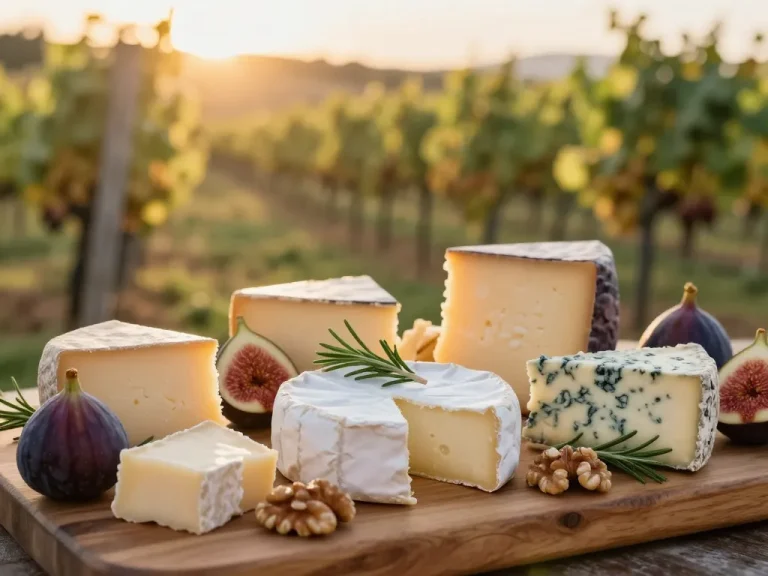

Understanding Chenin Blanc Wine
Chenin Blanc is a versatile and characterful white wine grape originating from the Loire Valley in France. Renowned for its adaptability and wide range of flavors, it is a favorite among wine enthusiasts and casual drinkers alike. This grape can produce wines that range from bone-dry to honeyed sweet varieties, providing options for every palate. To fully appreciate this magnificent varietal, it is essential to explore its origins, characteristics, and the impact of terroir on its flavor profile. Additionally, we will bracket the exploration by delving into production styles and ideal food pairings.
From its roots in France’s Loire Valley to becoming a flagship varietal for South African wineries, Chenin Blanc offers a captivating journey when examining its nuances and flavor profiles.
Origin and Historical Significance
The story of Chenin Blanc is intriguing, woven through centuries of viticultural tradition. Its history dates back to the 9th century in the Loire Valley, where it was cultivated on the banks of the river. Known originally as “Plant d’Anjou,” it has played an integral role in the region’s wine culture. By the 16th century, Chenin Blanc gained prominence for producing both still and sparkling wines, with its dexterity attracting winemakers throughout Europe.
In the 20th century, South Africa burgeoned as a significant player in the world of Chenin Blanc, as the grape was introduced by Dutch settlers in the late 1600s. The grape flourished in the Cape Winelands, where it became known as “Steen.” This connection to the diverse landscape of South Africa and the evolving wine-making techniques resulted in the emergence of high-quality expressions that showcase the grape’s vast potential.
Characteristics of Chenin Blanc
Chenin Blanc is particularly notable for its diverse flavor profile and aromatic complexities. In its dry form, it often exhibits crisp acidity with notes of green apple, pear, and citrus fruits—especially lemon and lime. As the grape ripens or undergoes different winemaking processes, the flavors transition towards richer fruits such as peach, apricot, and tropical nuances, creating a symphony of tastes. Some examples even exhibit floral elements, akin to honeysuckle or jasmine.
The sweetness levels can also lead to variations. Dry versions are vibrant and refreshing, while off-dry and sweet styles—such as those made from late-harvest grapes—reveal luscious honey and caramel notes.
The Terroir Impact on Flavor
The term “terroir” signifies the environmental factors that affect the character of the grapes, including soil type, climate, and vineyard management practices. For Chenin Blanc, terroir plays a significant role in determining the complexity and quality of the wine produced.
In the Loire Valley, marine sedimentary soils and stable temperatures allow for balanced ripening, resulting in wines that elegantly balance acidity and flavor. Conversely, in the sun-soaked regions of South Africa, the combination of dry conditions and volcanic soils can lead to intensely flavored wines with pronounced fruit notes, while maintaining the refreshing acidity characteristic of the varietal.
Chenin Blanc Varieties and Profiles
Exploring Dry vs. Sweet Chenin Blanc
Chenin Blanc can be categorized based on its sweetness, which directly influences its flavor profile and food pairing potential. Dry Chenin Blanc is known for its crisp acidity and vibrant flavors, making it an excellent choice for seafood and light dishes. The freshness and complexity invite exploration through various styles—as some producers achieve remarkable minerality, especially in cooler climates.
On the other hand, sweet Chenin Blanc often showcases the grape’s rippling fruit essence alongside a luscious mouthfeel. Dessert wines, crafted from late-harvest grapes affected by noble rot, captivate the palate with honeyed notes and rich textures. This variety pairs delightfully with desserts, cheeses, and spicy cuisine, further extending its culinary versatility.
Ageing Potential and Styles
The ageing potential of Chenin Blanc is a notable aspect that sets it apart. High-quality versions, particularly those from esteemed vineyards, can age gracefully for decades, transforming as they mature. With time, they develop complexity, showcasing deeper flavors such as dried fruits and caramel, alongside the signature refreshing acidity. Winemakers aiming to create age-worthy Chenin Blanc often employ techniques like barrel fermentation and lees stirring to enhance texture and flavor integration.
The result is an intriguing evolution from youthful brightness to an intricately layered wine that continues to reveal itself across time. Collectors and enthusiasts find particular delight in tasting verticals (the same wine from different years) to appreciate this evolution fully.
Food Pairings for Different Varieties
One of the delightful features of Chenin Blanc is its remarkable adaptability in food pairing. For dry Chenin Blanc, consider options like grilled fish, chicken salad, or goat cheese, where its acidity and freshness provide the perfect counterpoint. The vibrant notes complement citrus-based dishes beautifully.
For off-dry and sweet styles, think about pairing with spicy Asian cuisine, rich desserts, or blue cheeses. The sweetness manages the spice’s heat, while the fruity complexity enhances the experience of rich foods, providing a luxurious and satisfying combination.
Best Practices for Wine Enthusiasts
How to Taste Chenin Blanc
Tasting Chenin Blanc is a multi-sensory experience worth savouring. Start with examining the wine’s appearance—note its color and clarity. Young Chenin Blanc exhibits bright to pale gold hues, while older examples may show deeper amber tones. Then, swirl the wine gently in your glass to release its aromas, taking a moment to appreciate the bouquet—it may reveal refreshing florals, fruits, and minerality.
When taking the first sip, pay attention to the wine’s acidity and texture, as these elements play a role in its overall balance. Assess the flavors that unfold on your palate and characterize their depth and length. A lengthy finish indicates strong quality, ensuring a memorable tasting experience.
Storing and Serving Recommendations
To maintain the quality of Chenin Blanc, proper storage practices are paramount. The ideal environment is dark, cool, and stable, maintaining temperatures between 45°F – 65°F. Humidity levels should remain balanced; too dry can lead to cork damage, while too humid can promote mold growth.
When serving, Chenin Blanc’s ideal temperature varies according to its style. Generally, dry Chenin Blanc should be served chilled at around 45°F – 50°F, while sweeter versions can be slightly warmer, around 50°F – 55°F, to enhance their aromatic qualities.
Identifying Quality Chenin Blanc
Identifying quality Chenin Blanc involves looking for several key characteristics. Begin by evaluating the appearance, clarity, and brightness of the wine, which often indicates meticulous winemaking practices. When smelling the wine, you should find an enticing scent profile enriched with fresh fruits, florals, or mineral notes.
During tasting, a good Chenin Blanc balances acidity and fruitiness, ensuring it does not feel either overly tart or cloyingly sweet. A complex finish, with lingering flavors that may evolve, typically signals quality. Seeking wines from recognized regions and reputable producers can also help ensure quality.
Popular Regions for Chenin Blanc
South Africa’s Wine Regions
South Africa has become a powerhouse for Chenin Blanc, particularly in regions like Stellenbosch, Paarl, and Swartland. These areas, blessed with diverse terroirs, produce a wide spectrum of styles, including rich, full-bodied, and textural wines. The warm climate encourages ripe fruit flavors while retaining the signature acidity that defines Chenin Blanc.
Moreover, winemakers frequently use innovative approaches such as natural fermentation and minimal intervention, leading to unique, expressive wines that reflect their roots and resonate deeply with consumers.
Loire Valley’s Contributions
The Loire Valley remains the ancestral home of Chenin Blanc, featuring some of the world’s finest expressions. Notably, regions like Vouvray and Savennières are celebrated for their complex, age-worthy wines. Vouvray offers a mix of styles, from dry to sweet, whereas Savennières tends to showcase dry examples with intense minerality.
Here, the influence of chalky soils and temperate climate contributes to the signature crispness and depth of the wine, encapsulating the essence of Chenin Blanc as a grape that excels in expressing terroir.
Emerging Regions Globally
In recent years, vineyards producing Chenin Blanc have emerged globally, attesting to the grape’s adaptability. Notable areas outside France and South Africa include California, Australia, and Argentina. Each region showcases unique styles, offering a fresh perspective on the grape. In California, for instance, winemakers often venture towards fruit-heavy and generous styles, while Australian interpretations may express bold, tropical flavors.
Such developments illustrate the universal appeal of Chenin Blanc across diverse climates, providing wine lovers with an expanding array of choices to enjoy.
FAQs About Chenin Blanc
What is the best serving temperature for Chenin Blanc?
For optimal enjoyment, serve dry Chenin Blanc at 45°F – 50°F and sweet Chenin Blanc at 50°F – 55°F. This enhances the flavors and aromas of the wine.
Can Chenin Blanc be sweet?
Yes, Chenin Blanc can be sweet. It is known for producing a range of styles, including dry and varying degrees of sweetness, especially in late-harvest wines.
What foods pair well with Chenin Blanc?
Chenin Blanc pairs wonderfully with various dishes, including seafood, chicken salads, creamy cheeses, and spicy cuisines, with rich desserts complementing sweeter styles.
How long can I age Chenin Blanc?
Quality Chenin Blanc wines can be aged for several years, even decades. They develop complex flavors over time, with aged wines presenting deep aromatics and rich textures.
What’s the difference between Chenin Blanc and Sauvignon Blanc?
Chenin Blanc is usually more versatile, exhibiting higher acidity and sweetness levels. Sauvignon Blanc tends to be crisper and more herbaceous, showcasing distinct green fruit and citrus notes.
About the Author