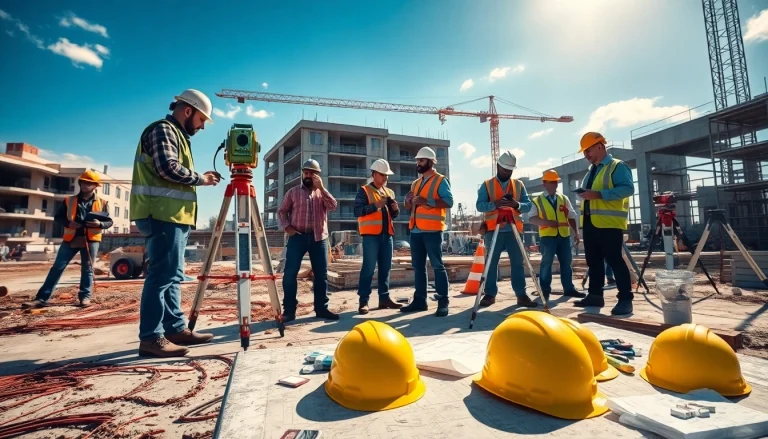

Understanding the Importance of Construction Safety Classes
Construction sites are inherently hazardous environments where the risk of accidents is significantly higher than in many other industries. Consequently, investing in construction safety classes is paramount for both workers and employers. These classes not only equip individuals with the necessary skills and knowledge to navigate risks but also foster a culture of safety that is crucial in mitigating accidents and injuries on-site.
Why Choose Construction Safety Classes
Choosing to enroll in construction safety classes can be a game-changer for anyone in the industry. The construction environment is dynamic, with risks constantly evolving. As such, these classes are integral in providing up-to-date training that reflects current safety practices, tools, and regulations. Workers who participate in these programs gain not only a crucial knowledge of safety protocols but also a sense of empowerment that comes with understanding how to protect themselves and their colleagues.
Key Benefits for Workers
The primary benefit of construction safety classes is the enhancement of worker safety. A well-trained workforce can lead to a dramatic reduction in accidents and incidents. Additionally, participants will gain:
- Increased Awareness: Understanding potential hazards leads to a safer work environment.
- Skill Development: Practical training enhances skills in emergency response and accident prevention.
- Improved Confidence: Workers who know how to handle risks feel more secure in their roles.
Regulatory Compliance and Safety Standards
Compliance with local, state, and federal regulations is a legal requirement for construction firms. Construction safety classes help ensure that employees are familiar with these regulations, thereby reducing liability. Furthermore, maintaining compliance helps establish a good reputation in the industry, fostering trust among stakeholders and clients alike.
Core Topics Covered in Construction Safety Classes
Construction safety classes cover a broad range of topics necessary for promoting a safe and compliant workplace. Familiarizing oneself with these core concepts is essential for individuals aiming to excel in their construction roles.
Personal Protective Equipment (PPE)
Understanding the proper use of personal protective equipment (PPE) is foundational in any safety training. Classes will typically cover:
- Types of PPE—including head protection, eye protection, hearing protection, and fall protection gear.
- Proper fitting and maintenance of PPE.
- Legal and employer expectations regarding PPE compliance.
Hazard Identification and Risk Assessment
Construction safety classes emphasize the importance of identifying hazards and assessing risks. Workers will learn how to:
- Recognize common safety hazards on construction sites.
- Utilize risk assessment strategies to evaluate potential dangers.
- Implement preventative measures that minimize the risk of accidents.
Emergency Response Procedures
Equipping workers with knowledge of emergency response is critical. Safety classes often include training on:
- First aid basics and CPR.
- Evacuation procedures during various emergencies, including chemical spills or structural failures.
- How to report incidents effectively and quickly to authorities.
Choosing the Right Construction Safety Classes for Your Team
With a variety of classes available, selecting the right one tailored to your team’s needs is essential for maximizing training efficiency and outcomes.
Types of Classes Available
Construction safety training comes in various formats, including:
- In-person Workshops: Hands-on training sessions that often provide practical simulations.
- Online Classes: Flexible learning options that can accommodate busy schedules.
- Custom Training Programs: Tailored courses designed to meet a specific organization’s unique needs.
Accreditation and Certification
When choosing a construction safety class, consider the accreditation of the provider. Certification from recognized organizations can enhance the credibility of the training received, ensuring that learners walk away with valuable and recognized credentials. Look for classes that adhere to OSHA (Occupational Safety and Health Administration) standards or other relevant industry benchmarks.
Evaluating Training Providers
Evaluating the effectiveness of training providers is crucial. Key factors to assess include:
- Instructor qualifications and experience in the field.
- Content quality and relevance to current safety standards.
- Reviews and testimonials from past participants.
Best Practices for Implementing Construction Safety Training
Effective implementation of construction safety training involves strategic planning and continuous assessment.
Scheduling Classes for Maximum Impact
Identifying the optimal times to conduct training can dramatically improve engagement. Consider the following:
- Schedule classes during slower periods to maximize attendance.
- Prioritize refresher courses for existing employees regularly.
- Plan trainings right before projects that prioritize high-risk tasks.
Customizing Training to Job Roles
Recognizing that different roles within construction have varied safety needs, customizing training to different job functions is imperative. Tailored training can increase effectiveness by ensuring that relevant scenarios and solutions are emphasized for each role, from general labor to specialized trades.
Monitoring and Measuring Training Effectiveness
Regularly assessing training outcomes is essential for ensuring long-term benefits. This can include:
- Tracking incident and accident reports to identify trends or improvements.
- Collecting feedback from participants post-training to assess value and relevance.
- Implementing refresher courses or follow-up sessions to reinforce training concepts.
Frequently Asked Questions about Construction Safety Classes
What topics are typically covered in construction safety classes?
Topics often include PPE usage, hazard identification, risk assessment, emergency response procedures, and regulatory compliance.
How can we measure the effectiveness of our training?
Effectiveness can be measured by tracking incident reports, participant feedback, and skills assessments before and after training.
Are online construction safety classes just as effective?
Yes, online classes can be equally effective as they provide flexible learning options, although hands-on practice should be included when possible.
How often should safety training be conducted?
Safety training should be conducted regularly and updated with new regulations, ideally annually or before new project initiations.
What certifications can workers receive from safety classes?
Workers can receive various certifications such as OSHA 10 or 30-hour training, First Aid/CPR, and specialized equipment operation certifications.
About the Author