Understanding Wedding Bands
The Significance of Wedding Bands
Wedding bands are not just pieces of jewelry; they symbolize the eternal commitment between partners. Traditionally exchanged during the wedding ceremony, these bands carry emotional weight and cultural significance. They represent love, fidelity, and the bond that two people share. As a cherished token, the ring often embodies personal stories and milestones throughout a couple’s journey. The circular shape of a band further emphasizes infinity, reflecting a commitment that is meant to last a lifetime.
Wearing a wedding band is also a public declaration of love and partnership, serving as a reminder of the vows exchanged and a physical manifestation of the promises made. Furthermore, many couples choose to incorporate personal elements or family traditions into their wedding bands, deepening their emotional connection to the piece of jewelry. When considering wedding bands, it’s essential to reflect on what they will mean both at the moment of exchange and throughout your life together.
Different Materials Used in Wedding Bands
The materials used in crafting wedding bands play a significant role in their overall appearance, durability, and cost. Traditionally, gold has been a popular choice due to its malleability, warmth, and timeless appeal. Gold wedding bands come in various karats, which indicate purity, with 14K and 18K gold being the most commonly used for rings.
Platinum, known for its strength and naturally white sheen, is another top choice for wedding bands. Its rarity and hypoallergenic qualities make it ideal for those with sensitive skin. Titanium and tungsten have gained popularity in recent years, especially among those seeking lightweight or highly durable options. These materials offer a modern aesthetic and are often more affordable.
Additionally, alternative materials like ceramic, carbon fiber, and even wood have emerged, providing unique and contemporary looks. When selecting a material for your wedding band, consider factors such as durability, your lifestyle, and personal style preferences.
Choosing the Right Style for Your Personality
Your wedding band is a reflection of your personality, style, and values. As you embark on this journey to find the perfect ring, think about the different styles available and what resonates most with you. Classic bands offer a timeless look that never goes out of fashion, typically featuring simple designs without embellishments.
If you’re someone who enjoys modern aesthetics, you may lean towards contemporary styles that incorporate unique shapes, finishes, or mixed materials. Some opt for bands with intricate detailing, such as engraving or gemstones, to infuse a personal touch into their rings. Consider your daily lifestyle too—if you’re active, a minimalist band may be more suitable than a heavily embellished one. Ultimately, choose a style that aligns with your personal identity and will bring you joy for years to come.
Popular Wedding Band Styles
Classic vs. Modern Designs
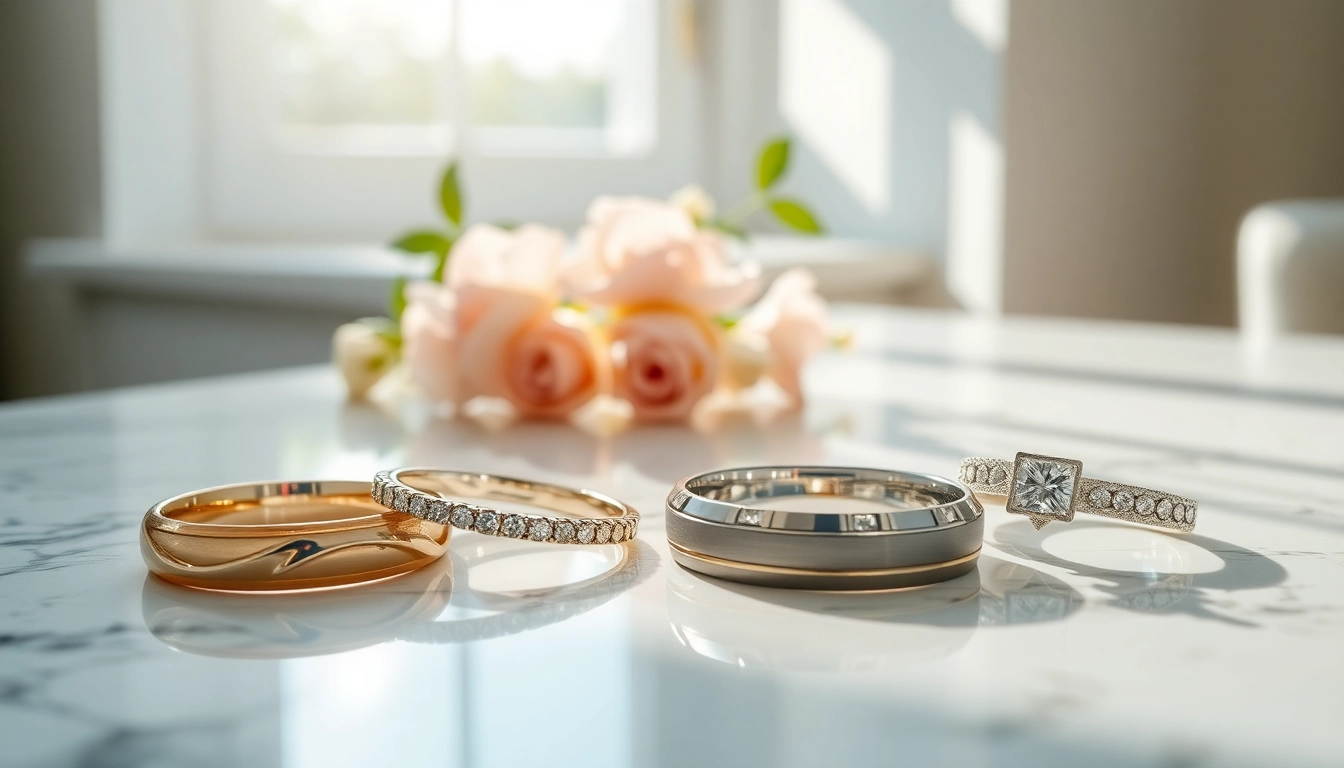
When deciding between classic and modern wedding band designs, it’s crucial to reflect on your personal taste and the overall vibe you’re aiming for. Classic wedding bands are characterized by their elegance and simplicity, often featuring smooth, polished surfaces in gold or platinum. These designs exude timeless charm and graceful understatement, appealing to those who appreciate tradition.
Conversely, modern designs offer an opportunity for self-expression. They may feature unconventional shapes, textures, or unique patterns that break away from the traditional mold. Modern bands often incorporate mixed materials or geometric designs, reflecting a couple’s personality and individuality. When choosing between these styles, consider how each resonates with your relationship and the message you aim to convey through your wedding bands.
Intricate and Unique Features to Consider
Many couples are now seeking wedding bands adorned with intricate and unique features that set their rings apart. From custom engravings to inlays of alternative materials, these personal touches can elevate your band from simple to extraordinary. Intricate designs might include filigree, milgrain edges, or subtle patterns that add depth and detail to the ring.
Additionally, some couples choose to incorporate birthstones or other meaningful gemstones into their bands, allowing for personalization that reflects their story. The inclusion of unique features not only enhances the visual appeal but also imbues the ring with additional meaning. When considering these options, ensure that any intricate details align with both your personal style and lifestyle needs.
Customization Options for Wedding Bands
Customization is at the forefront of modern jewelry design, especially in wedding bands. Many jewelers offer options to personalize bands in ways that speak to your love story. Whether you choose to engrave your vows, add birthstones, or select a unique metal combination, customization allows you to create a band that is truly one-of-a-kind.
Engraving options can range from simple initials to thoughtful phrases that hold significance in your relationship. Additionally, choosing the width and thickness of the band ensures comfort as well as stylistic preference. When considering customization, it’s advisable to collaborate with a reputable jeweler who can guide you through the process and provide insights into what works best for your chosen design.
Choosing the Right Size and Fit
How to Measure Your Ring Size Accurately
Finding the perfect fit for your wedding band is vital for comfort and wearability. An incorrectly sized ring can cause discomfort or even lead to loss. To accurately measure your ring size, consider having it professionally done at a jewelry store. However, if you’d prefer to measure at home, you can use a simple string or a strip of paper to wrap around your finger, marking where it overlaps. Measure the length with a ruler and compare it to online sizing charts to find your size.
It’s important to measure at different times of the day, as fingers can swell due to heat or other factors. Consider the width of the band, as wider bands may require a slightly larger size for optimal comfort. Taking the time to ensure an accurate measurement will enhance your overall satisfaction with your wedding band.
Understanding Band Width for Comfort
Band width significantly impacts the feel and aesthetics of a wedding band. Wider bands often feel more substantial on the finger, while thinner bands can feel more delicate. Generally, widths range from 2mm to 10mm, giving you a range of options to choose from based on your comfort level and style preferences.
Couples should try on bands of various widths to determine what feels right. Consider how the band will be worn alongside an engagement ring, as well. When wearing multiple rings, the overall profile may affect the comfort and appearance of your wedding band. Ultimately, choosing a band width involves balancing personal style with practical comfort.
Options for Resizing Wedding Bands
Even with careful measurements, you might find the need to resize your wedding band in the future. Fortunately, resizing is often possible with most wedding bands, but the process can depend on the material and design of the ring. Gold and platinum bands can typically be resized, while other materials like titanium may present more challenges.
It’s best to consult with your jeweler about resizing options before purchasing, as some designs may not be conducive to resizing. If you find yourself in need of a resize after significant weight changes or lifestyle adjustments, professional jewelers can help to ensure the integrity of your band is maintained during the process.
Budgeting for Your Wedding Bands
Factors That Affect the Price of Wedding Bands
The cost of wedding bands can vary widely based on several factors, including the materials used, design complexity, and brand reputation. Precious metals like gold and platinum will command higher prices due to their intrinsic value, while more affordable metals like titanium can help you manage costs.
Intricate designs or the addition of gemstones considerably increase the price as well. Customization will also add to costs, depending on the complexity of the request. When planning your budget, it’s essential to also consider additional costs such as engraving or resizing services, ensuring you cover all aspects of your purchase.
Finding Affordable Yet Stylish Options
Finding the perfect wedding band that aligns with both style preferences and budget constraints is possible with thoughtful planning. Consider exploring alternative materials, such as tungsten or stainless steel, that can offer durability and style at a fraction of the cost of precious metals.
Additionally, shopping during sales events or considering off-peak wedding seasons may yield significant cost savings. Some retailers may offer discounts for purchasing multiple rings together, so inquire about package deals.
Don’t hesitate to explore local artisans who craft custom pieces at competitive prices. This route can provide you with stylish, unique options while staying within a reasonable budget.
Saving Tips for Wedding Band Purchases
When purchasing wedding bands, implementing a few smart saving strategies can help you stay within budget without sacrificing quality. Start by setting a clear budget early in the planning process, which helps narrow your options without overspending.
Consider opting for a wedding band that complements rather than matches your engagement ring, as this can provide flexibility in design and price. Additionally, being open to alternative materials or simpler styles can yield significant savings. Exploring local jewelers and artisan markets may provide unique options at more affordable prices than major retailers.
Finally, watch for seasonal sales and promotions, and don’t hesitate to negotiate with the jeweler, as many are willing to work within your budget.
FAQs
What materials are commonly used for wedding bands?
Common materials include gold, platinum, titanium, and silver, each offering distinct looks and durability.
How do I choose the right width for my wedding band?
A wider band may feel more substantial, while a thinner band can be more delicate. Try on various sizes to find the best fit.
Can wedding bands be engraved?
Yes, many jewelers offer engraving services to personalize your wedding bands with names, dates, or messages.
How do I care for my wedding band?
Regular cleaning with a mild soap solution and soft cloth can keep your wedding band looking pristine. Avoid harsh chemicals.
Are matching wedding bands necessary?
No, it’s a personal choice. Many couples opt for complementary styles rather than matching bands.
About the Author