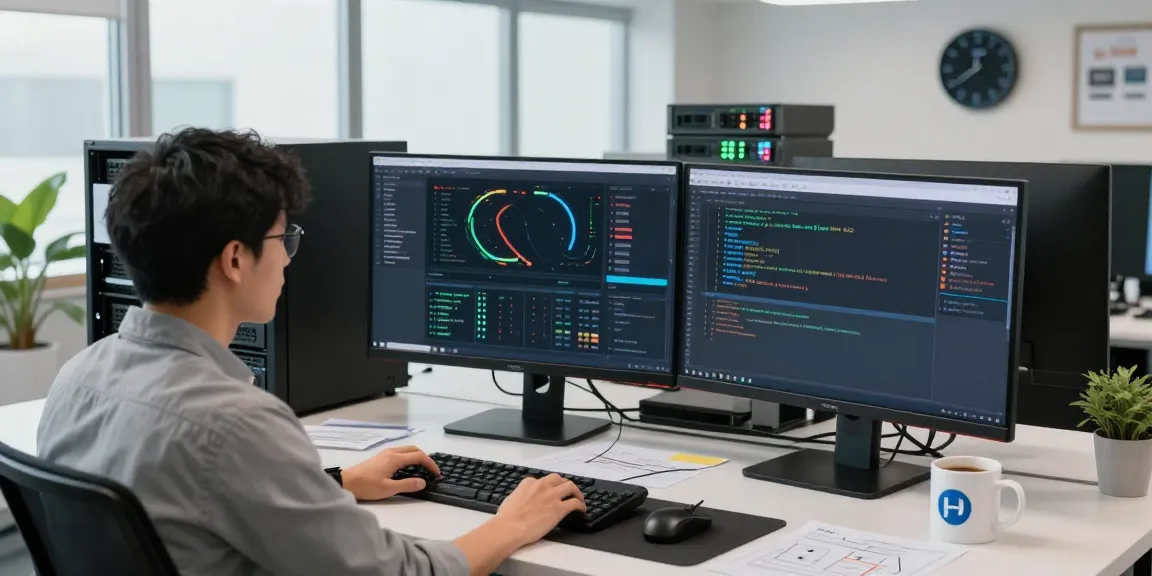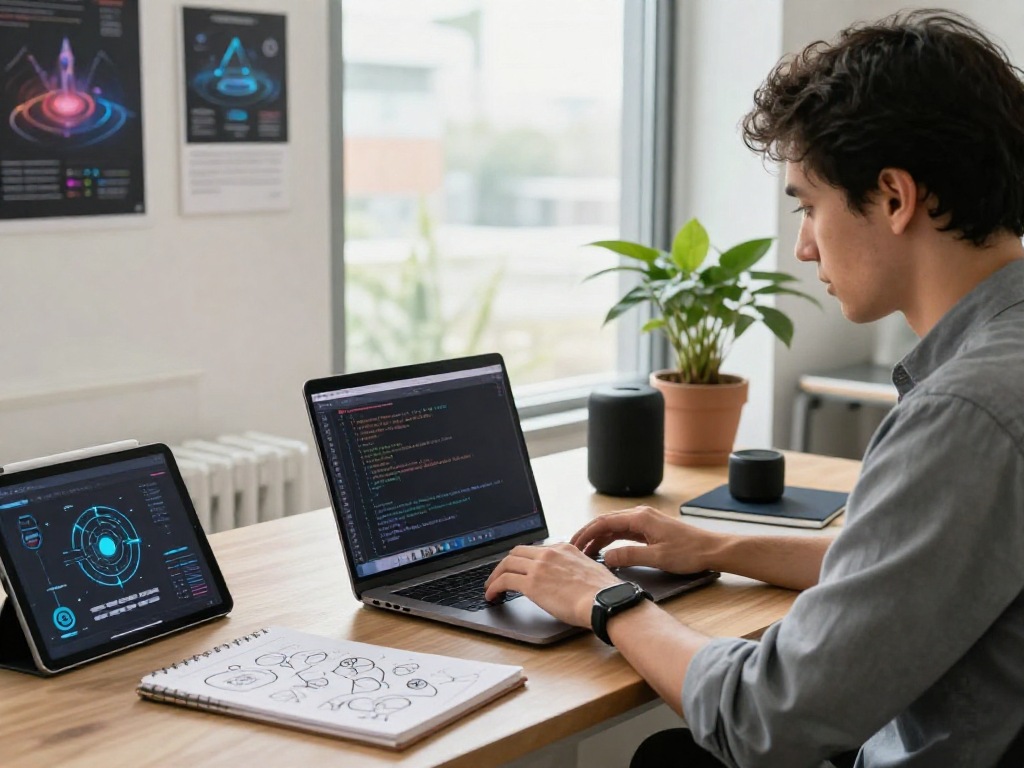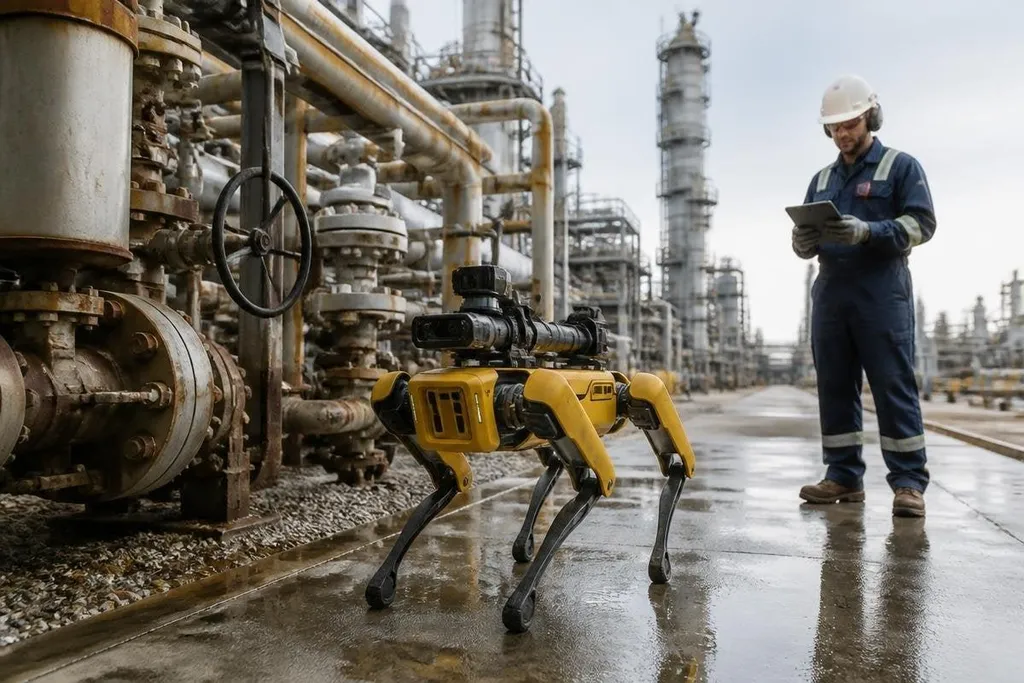
An oil and gas robot earns its place when it can inspect equipment, carry useful sensors, and return clear findings without putting people in avoidable danger. The next wave will be judged by work completed in plants, pipelines, terminals, and offshore sites, not by a smooth video from a controlled room.
Quick read:
- Inspection comes before human-like movement.
- Sensors matter only when they produce usable findings.
- Safe stopping and recovery need clear rules.
The work comes first
Oil and gas sites contain tasks that are repetitive, dirty, remote, or unsafe for people to perform often. A robot may inspect valves, look for leaks, read gauges, check pipe surfaces, or carry cameras through areas that are hard to reach.
Each task needs a narrow design. A wheeled robot may suit a flat plant floor, while a tracked machine may handle loose ground. A flying robot can inspect high structures without a person climbing, but its flight time, weather limits, and image quality set the boundary of the job.
That boundary should appear in the purchase case. A robot that collects useful inspection data once a week may have a place. One that needs an operator for every movement, every image, and every recovery may save little work.
Sensors need a clear job
A camera gives operators a view. It does not, by itself, prove that a pipe, tank, valve, or storage area is safe. Buyers need to ask what the robot measures, how it records the result, and who checks the finding afterward.
The useful sensor mix depends on the task. Visual cameras can support surface checks. Thermal cameras can show heat differences. Acoustic sensors may help locate unusual sounds. Gas sensors can check the air near a suspected leak.
These tools produce different kinds of evidence, so the software must keep each reading tied to a place and time. Data handling matters as much as the sensor. An inspection report should show where the robot went, which sensor collected each reading, and what conditions could affect the result.
If a person cannot review the finding without guessing, the robot has moved the work rather than reduced it.
A gas leak can make a routine inspection unsafe for a person. An oil and gas buyer can use Robot24 to check whether a robot was tested near heat, dust, or confined spaces, and whether the report names the site, date, sensor, and result. That record leads into the question of where autonomous operation needs a person ready to take control.
Autonomy needs a safe boundary
Autonomous movement can reduce the operator’s workload, but the robot still needs rules for uncertain conditions. It should know when to stop, when to ask for help, and how to return or wait with enough power for recovery.
That matters in places with poor wireless coverage, changing lighting, moving vehicles, narrow routes, or restricted areas. A route that works during a planned inspection may fail when a door is closed or equipment blocks the normal path.
Remote control remains useful. The better question is where it belongs in the task. A robot might drive between inspection points on its own, then hand control to a trained operator for a close look. That division can reduce routine driving while keeping a person involved when the finding needs judgment.
Safety also includes the hardware. Emergency stops, safe motor behavior, clear status signals, and recovery procedures need to work when the robot loses contact or tips over. The site team needs a way to remove the machine without entering the same hazard it was sent to inspect.
What buyers should check
Before a trial, write down the conditions that decide whether the robot helps:
- Name the task: Define the inspection, the area, and the result the team needs.
- Check the route: Record surfaces, slopes, doors, stairs, lighting, and radio coverage.
- Set the evidence rule: Decide which readings need human review and how they will be stored.
- Test failure recovery: Ask what happens after lost communication, low battery, blocked paths, or a sensor fault.
- Price the full job: Include operators, training, site changes, maintenance, data review, and robot recovery.
A trial should measure completed inspections and usable findings. Travel distance alone can make a robot look busy without showing that the site gained useful information.
I’d wait for field evidence before buying a machine based on human-like movement or a polished autonomy demo. Oil and gas robots will earn wider use when operators can show the task, the data, the failure procedure, and the cost of each completed inspection.