Understanding Nonstick Technology
How Nonstick Pans Work
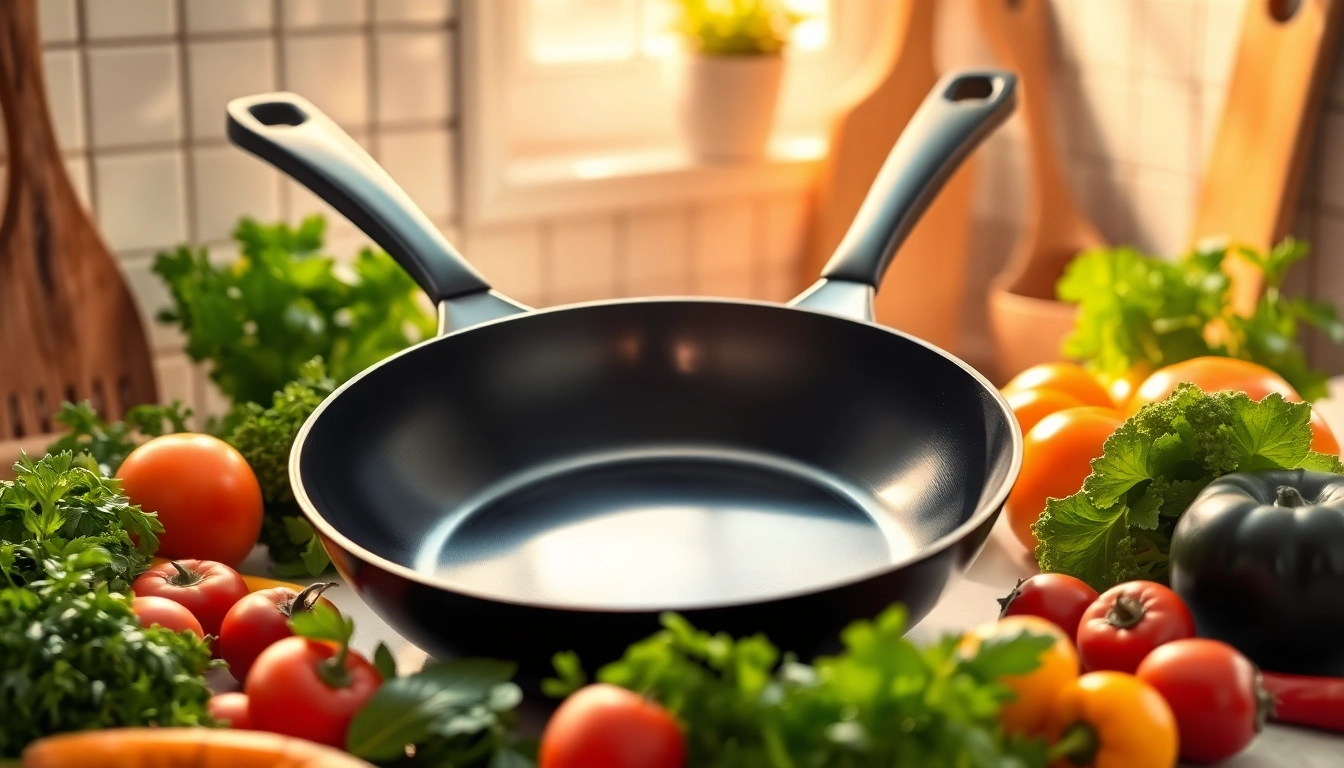
Nonstick pans have revolutionized cooking by preventing food from sticking, which enhances both experience and result. The secret behind their effectiveness lies in the coating, typically made from polytetrafluoroethylene (PTFE), silicone, or ceramic, which creates a smooth surface. This minimizes the need for oils and fats, making cooking healthier and cleanup a breeze. Most modern nonstick cookware is user-friendly and maintains heat evenly, ensuring food is cooked thoroughly.
Materials Used in Nonstick Coatings
There are three primary types of nonstick coatings used in cookware: PTFE, ceramic, and silicone. PTFE is the most common and well-known, with brands often marketed as Teflon. Ceramic coatings, on the other hand, are derived from sand and offer a more eco-friendly alternative. They’re free from harmful chemicals but may not withstand high heat as PTFE does. Silicone, used in bakeware and utensils, is flexible and heat-resistant but has limited application in frying pans.
Safety Considerations with Nonstick Pans
Safety is paramount in kitchen tools. With nonstick pans, key concerns center on the risk of chemical leaching, especially with very high temperatures. When using PTFE-coated pans, it’s crucial to keep the heat under 260°C to avoid releasing harmful fumes. Always ensure your nonstick pans are PFOA-free and follow care guidelines to maximize their lifespan and safety.
Top Features of the Best Nonstick Pan NZ
Durability and Longevity
The longevity of nonstick pans can vary significantly based on usage and material quality. A good nonstick pan should resist scratches and warping. Consider cookware rated for metal utensil use, as they are less likely to degrade quickly. Regular care and following manufacturer instructions play a critical role in maintaining a pan’s nonstick capabilities over time. Investing in a high-quality nonstick pan will save money and hassle in the long term.
Heat Distribution and Conductivity
Uniform heat distribution is foundational for good cooking. Nonstick pans should ensure that heat reaches all areas of the cooking surface simultaneously to avoid hot spots that can burn food. Materials like aluminum and stainless steel are often utilized for their excellent conductive properties. Always check for compatibility with your cooking surface, especially if you’re using induction cooktops, which require specific types of metal.
Ease of Cleaning and Maintenance
One of the most attractive features of nonstick pans is their ease of cleaning. Food residue doesn’t stick easily; typically, a simple wipe down with a sponge and warm, soapy water does the trick. For tougher stains, many pans can be soaked or require only minimal scraping with a non-abrasive pad. Avoid using harsh chemicals and abrasive sponges that could damage the coating. Proper care ensures your nonstick pan remains clean and functional for years.
Buying Guide: Choosing Your Ideal Nonstick Pan
Size and Shape Considerations
Choosing the right size and shape of your nonstick pan significantly affects your cooking efficiency. Consider the dimensions appropriate for your stovetop and your typical batch sizes. While a larger diameter might seem appealing for family cooking, ensure it fits your storage space. Typical shapes like round and square each offer specific advantages; round for sautéing and frying, while square is great for browning and flipping. For diverse use, versatile shapes may be preferable.
Budget vs. Quality: Finding the Right Balance
When searching for the best nonstick pan NZ, budget is a crucial factor. While cheaper options may initially save money, they can lead to disappointment in performance and longevity. High-priced options often provide enhanced materials and features that promote durability and enhanced cooking performance. Aim for a balance of quality and affordability; spending slightly more upfront can lead to long-term savings.
Must-Have Features to Look For
Many features can improve your cooking experience. Look for ergonomic handles that stay cool and provide a firm grip. A dishwasher-safe label can add to convenience along with versatile compatibility for various heat sources. Nonstick pans with additional layers of coating offer enhanced durability and easier cleaning. Consider buying pans specifically designed with your cooking preference in mind, whether for deep frying, sautéing, or searing.
Best Nonstick Pans for Different Cooking Styles
Pans for Everyday Use
For daily wear and tear, choose a nonstick pan designed for everyday cooking that combines durability with excellent heat distribution. A medium-sized, heavy-bottom option is often ideal as it caters to a variety of cooking techniques, from scrambled eggs to stir-frying. Versatility in design can enrich your culinary options as well, making it an essential piece in any kitchen.
Best for Induction Cooktops
Not all nonstick pans are induction-compatible. Those designed for this cooking method can save energy and time while ensuring safety. Look for a thick, magnetic base crafted from stainless steel or a specialized induction layer that ensures optimal performance. It’s essential to verify that your chosen pan is suitable for induction to prevent damage and achieve the best cooking results.
Options for Health-Conscious Cooks
Health-conscious cooks may lean towards ceramic-coated or PTFE-free models due to potential health concerns linked to traditional nonstick coatings. These alternatives tend to be free from harmful chemicals and offer nonstick properties without compromising safety. Ensure you research the pan’s rating and materials to select one that aligns with your healthy cooking philosophy.
Frequently Asked Questions
What’s the best nonstick pan NZ for beginners?
Beginners should look for a mid-sized, user-friendly nonstick pan. A lightweight model made of aluminum is often a great start, as it heats quickly and evenly.
How to prolong the life of nonstick pans?
To extend your nonstick pan’s life, avoid high heat, use non-metal utensils, and clean using soft cloths. Store them carefully to prevent scratches.
Can nonstick pans safely go in the oven?
Many nonstick pans are oven-safe up to a certain temperature, typically around 180-220°C. Check your product’s specifications for limits.
What are the signs of a nonstick pan needing replacement?
Look for scratches or peeling surfaces as signs your pan may need replacement. If food begins to stick consistently, it’s also time to consider a new pan.
Are ceramic nonstick pans better than traditional ones?
Ceramic nonstick pans are often deemed safer due to the absence of harmful chemicals, but they may not be as durable as PTFE options. Choose based on personal preference.
For those in New Zealand seeking the perfect pot for their culinary adventures, the best nonstick pan NZ truly delivers quality and functionality, proving essential for efficient cooking.
About the Author